Home / Journal
Drone, underwater, golden hour: when each earns its place
The flashy tools are the easiest to overuse. Here is when a drone shot, an underwater sequence or a golden-hour frame actually helps a film — and when it is just showing off.
One rule sits behind all of this: every shot should answer a question the viewer is asking. If a shot only answers “look what we can do,” it comes out. The kit is never the point.
Drone — when geography is the story
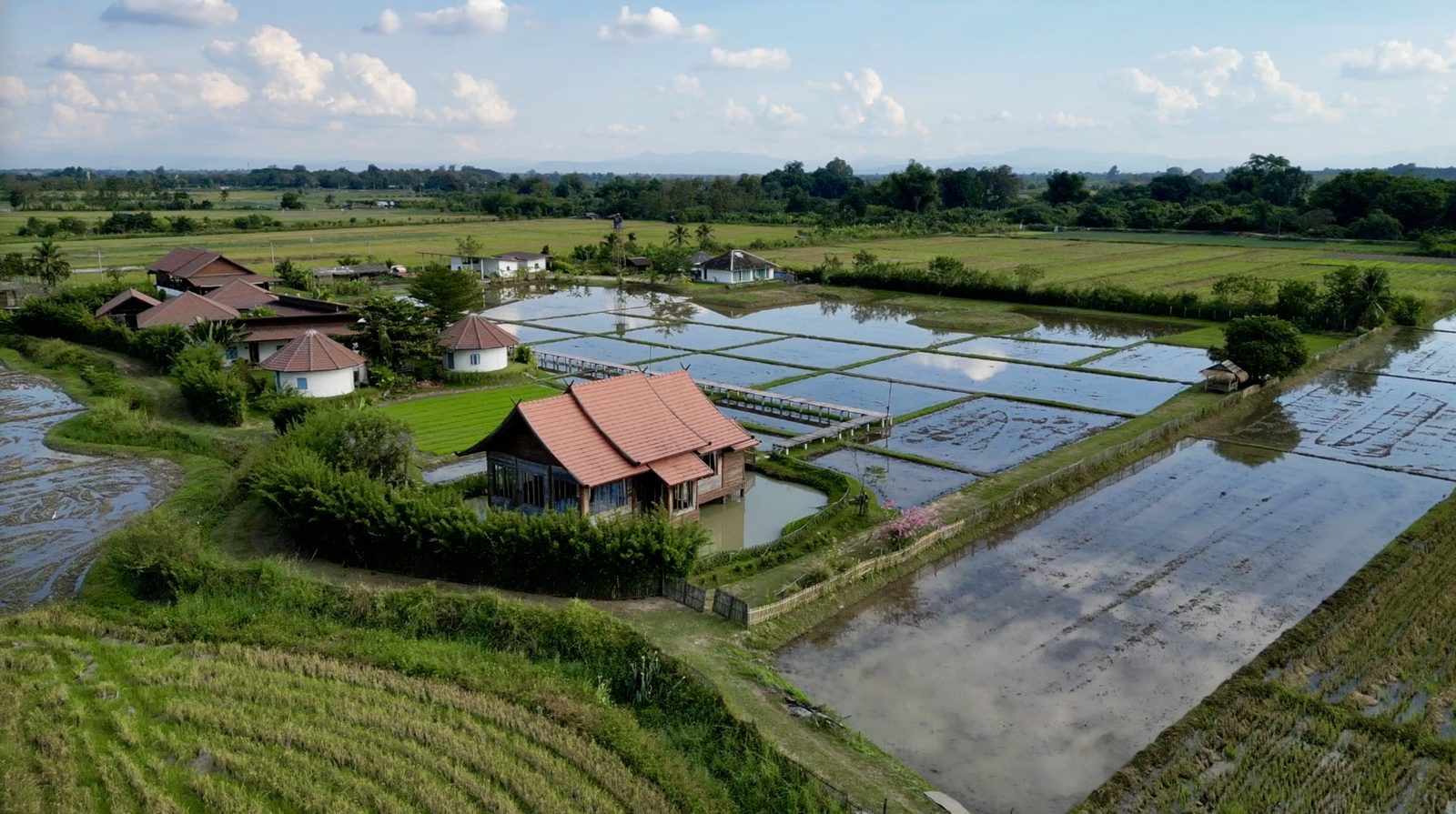
An aerial earns its place when the setting is part of why people come: an island, a coastline, a building against a skyline. One or two well-placed shots set the scene and give a sense of scale. A film stuffed with drone moves starts to feel like a property listing. Use it to open or to close, rarely in the middle — and remember aerials need permission and the right, light aircraft wherever local rules allow.
Underwater — when water is the reason
Underwater earns its place when water is part of the appeal: a reef, a clear pool, a feeling of calm. A single shot can carry a whole mood. But it has to look effortless; a clumsy underwater frame reads instantly as a gimmick. If the water is not a reason to visit, leave it out.
Golden hour — the one worth planning for
The most reliable of the three, and the most worth building the schedule around. The hour after sunrise and the hour before sunset flatter almost everything — façades, terraces, water, skin. We plan around it with sun-path tools, because you cannot fake that light in the grade. The common mistake is shooting interiors at noon and trying to warm them up afterwards.
The thread
None of these are features to tick off. They are answers. Drone answers “where am I?” Underwater answers “what does it feel like to be in the water here?” Golden hour answers “what is the best version of this place?” If a shot does not answer something the viewer actually wants to know, it is decoration — and a film made of beautiful shots that do not add up is worse than a plain one that tells the truth about a place.