Home / Journal
Hotel video storytelling: why one quiet day beats a feature tour
Most hotel videos try to show everything. The ones that actually make someone book usually show one person, one day, and very little else. That, in practice, is what storytelling in a hotel video means.
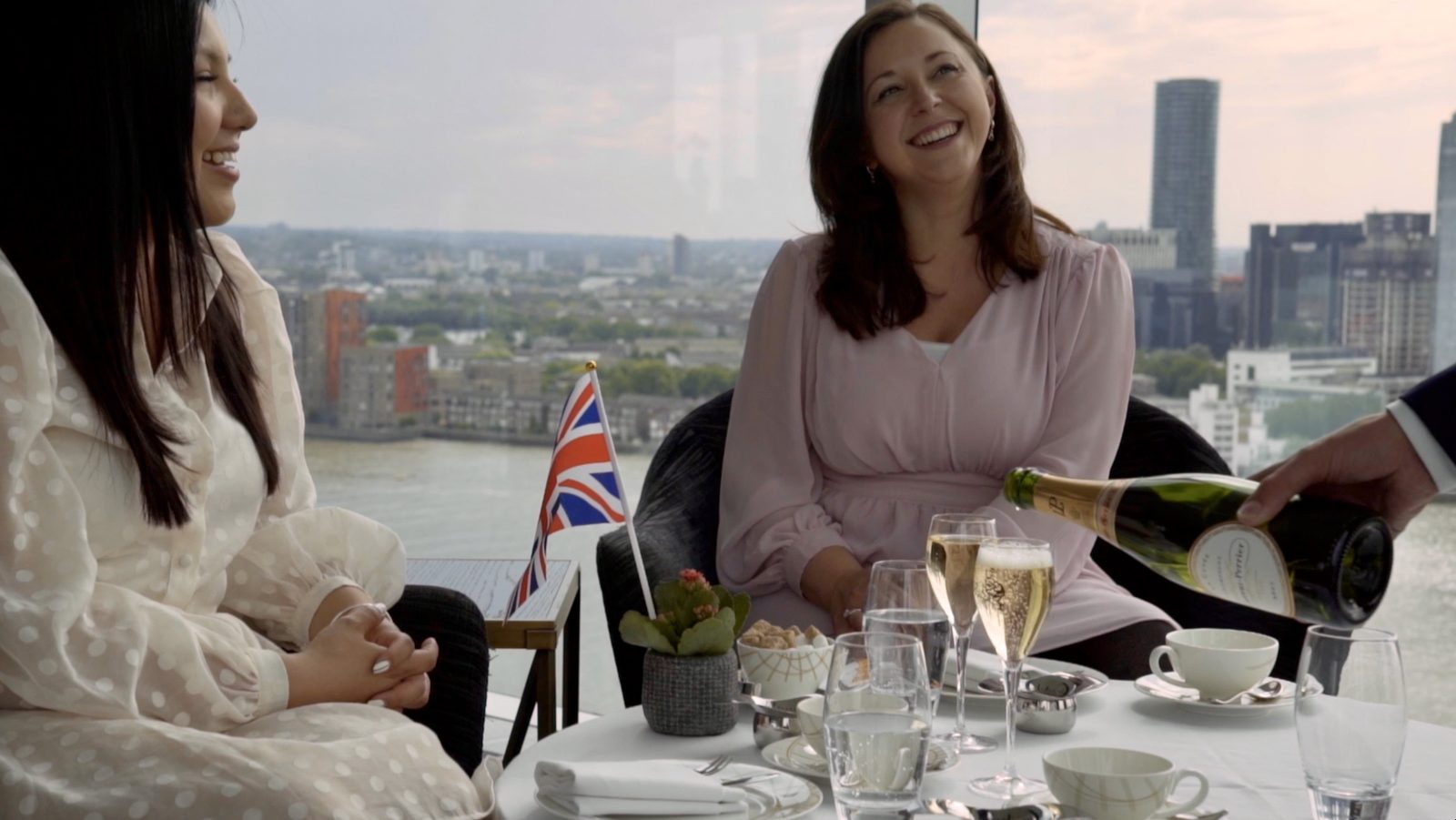
The instinct, when you have a beautiful property, is to cover all of it: the rooms, the pool, the spa, three restaurants, the gym, the ballroom. What you end up with is a list set to music. It is complete, and it is forgettable. Nobody ever booked a stay because a hotel “has a gym.”
What a feature tour looks like, and why it fails
You have seen it. Drone over the roof. Lobby. Room, pan left. Pool from three angles. Spa stone with a flower on it. Restaurant with no one in it. Logo. Every shot is true and none of it is a reason to go. The viewer has been shown a building. They have not been shown a day in their own life, which is the only thing they are actually buying.
What a story does instead
Follow one guest through a single day. Arrival, a quiet moment in the room, breakfast, the water in the afternoon, the terrace at sunset. The hotel’s features still appear, but they appear because the guest moves through them, not because a checklist demanded it. The viewer borrows that guest’s day and quietly imagines their own. That is the moment a film starts doing the work of selling.
Why one day is the right container
A day comes with an arc built in: morning light, a slow middle, golden hour, evening calm. You get structure for free, and it mirrors how a guest actually experiences a place. You do not need a plot. You need a rhythm: somewhere to begin, a shape in the middle, and a place to land. For a 90-second resort film, it often looks like this:
- 0:00 The place before the hotel. Water, a road, a coastline. Sound only, no music yet.
- 0:10 Arrival. A door, a hand on a railing, the first look at the view.
- 0:25 The room, lived in. A book open, a towel on the chair, light moving on the wall.
- 0:40 Breakfast. Real service, a real pour, a real plate.
- 0:55 The water. Pool, sea, a swim. The film’s widest, brightest minute.
- 1:10 Golden hour. The one shot everyone will remember.
- 1:25 Evening. Lanterns, a table set, the sea in darkness.
- 1:35 Land. One still frame, a breath, the name.
Choosing the one guest
Who the guest is should match who actually books. A couple for a honeymoon resort, a solo traveller for a city hotel, a family for a beach property with a kids’ club. One thread, not three. If the hotel truly serves two audiences, make two films, or run the second guest as a quiet counterpoint rather than an equal.
And shoot them as a witness, not a protagonist. A figure from behind, a hand on the water, a silhouette on the terrace. No looking to camera, no posing, no endless walking. The guest is there so the viewer can stand where they stand. The moment they perform, the viewer is pushed out of the frame. We wrote more about this in real, not staged.
Restraint is the technique
The hard part is leaving things out. The reel set can cover the spa, the kids’ club and the dining outlets separately, each in its own short, and that is where that material belongs. The hero film should stay narrow. One message per film; everything that does not serve the day gets cut. A shorter film that means one thing beats a longer one that means six. If you are deciding what goes where, brand film vs reels lays it out.
Let the destination earn the room
If the hotel sits somewhere remarkable, a bay, a coastline, a city, open there. Place first, so the hotel is always read within its setting, then step inside. The wider world is what makes the room feel earned rather than just nice. The same logic runs the other way: a city hotel’s best shot is often the street outside its door, not the lobby.
Sound carries the day
The quiet in “one quiet day” is literal. Ambient sound before music: waves, cutlery, birds, a door. Music enters at the first turn in the story, not at frame one. It is the simplest way to make a film feel like a place rather than an advert, and it costs nothing but restraint in the edit.
What this means for your brief
If you are commissioning a film, four decisions make the story possible before anyone picks up a camera:
- Who the one guest is.
- Which season and which light the film should live in.
- The one thing the film should say. Not three. One.
- Where it will live: homepage, social, in-room, a sales deck. Each paces differently.
A feature tour answers one question: what does this hotel have? A story answers a better one: what would it feel like to be here? Only the second one makes someone book.
It’s the shape behind most of our films. Our Four Seasons The Nam Hai film was built exactly this way, and so was our resort film in Cebu. For where story sits in the wider plan, see hotel video marketing.