Cambodia is three different films in one country: the temple towns, the river capital, and the islands. We’ve shot all three — and each asks for a different plan.
The country is generous on camera in a quieter way than its neighbours. The light is soft at the edges of the day, the landscape holds real stillness, and the hospitality has a warmth that reads on screen without being staged. But the three Cambodias reward very different schedules.
Siem Reap: shooting beside Angkor
A hotel in Siem Reap lives in Angkor’s orbit, and the film has to acknowledge that without becoming a temple documentary. The property is the story; the temples are the reason the guest is in town. A morning ritual, a courtyard at dusk, the short journey between hotel and history — that’s usually enough. Worth knowing early: aerial work anywhere near the Angkor archaeological park is heavily restricted, so drone plans need clearing in pre-production, not on the day.
Phnom Penh: a river city with its own pace
The capital films like a proper city hotel destination — rooftops over the Tonlé Sap and Mekong, traffic and monks and café life in the streets below. The contrast between the city’s energy and the calm inside the property is the film. Our Rosewood Phnom Penh film was built on exactly that contrast.
The islands: slow water, long light
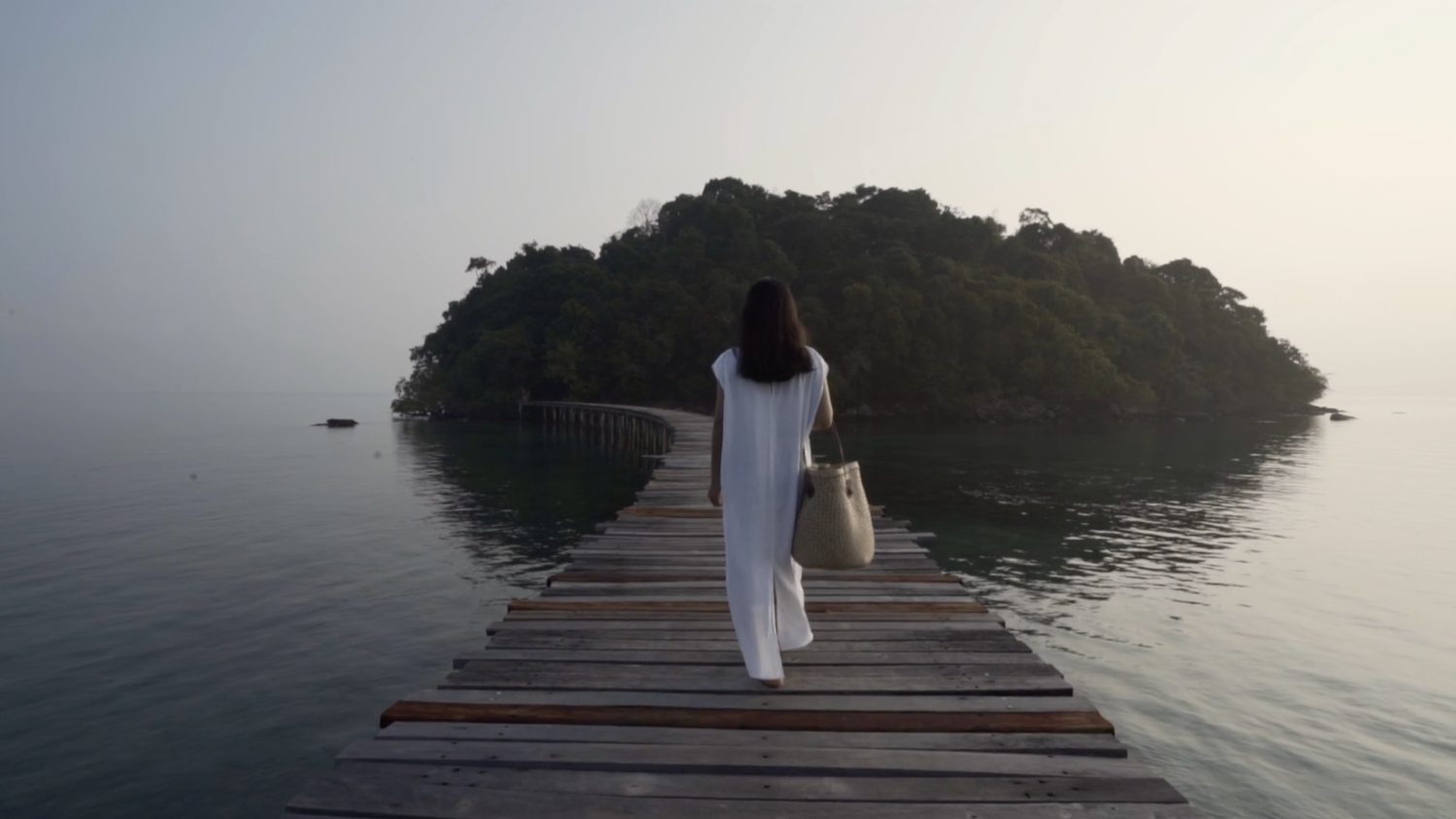
Off the south coast, the Koh Rong archipelago offers something increasingly rare — places that still feel undiscovered. Filming there is about restraint: long takes, ambient sound, the texture of wood and water. Our film for Song Saa Private Island leans into that slowness, because that’s what a guest is actually buying.
Seasons and the schedule
The dry months, November to April, give reliable mornings and clear water. The green season brings heavy afternoon rain but also saturated landscape and dramatic skies — and fewer tourists in the frame. Neither is wrong; the season should be chosen to match the film. Either way we build weather margin into the schedule, and keep the golden hours — first light and last — for the shots that sell the stay.
People carry the film
More than most places we shoot, Cambodia’s hotels are carried by their people. Khmer hospitality is unforced and specific — a gesture, a greeting, the way tea is set down. Casting real staff and letting those moments happen, rather than directing them into existence, is what separates a film made here from one that could have been shot anywhere warm. Our Shinta Mani Angkor film is the clearest example in our portfolio.
Planning it properly
Permits, aerial clearances, seasonal timing and a space-by-space plan — sorted before anyone lands — are what make a Cambodia shoot look effortless. See how we approach hotel video production in Cambodia.