Home / Journal
How to film a hotel before it opens
You can launch a hotel’s film a year before the hotel exists. You just can’t film the hotel.
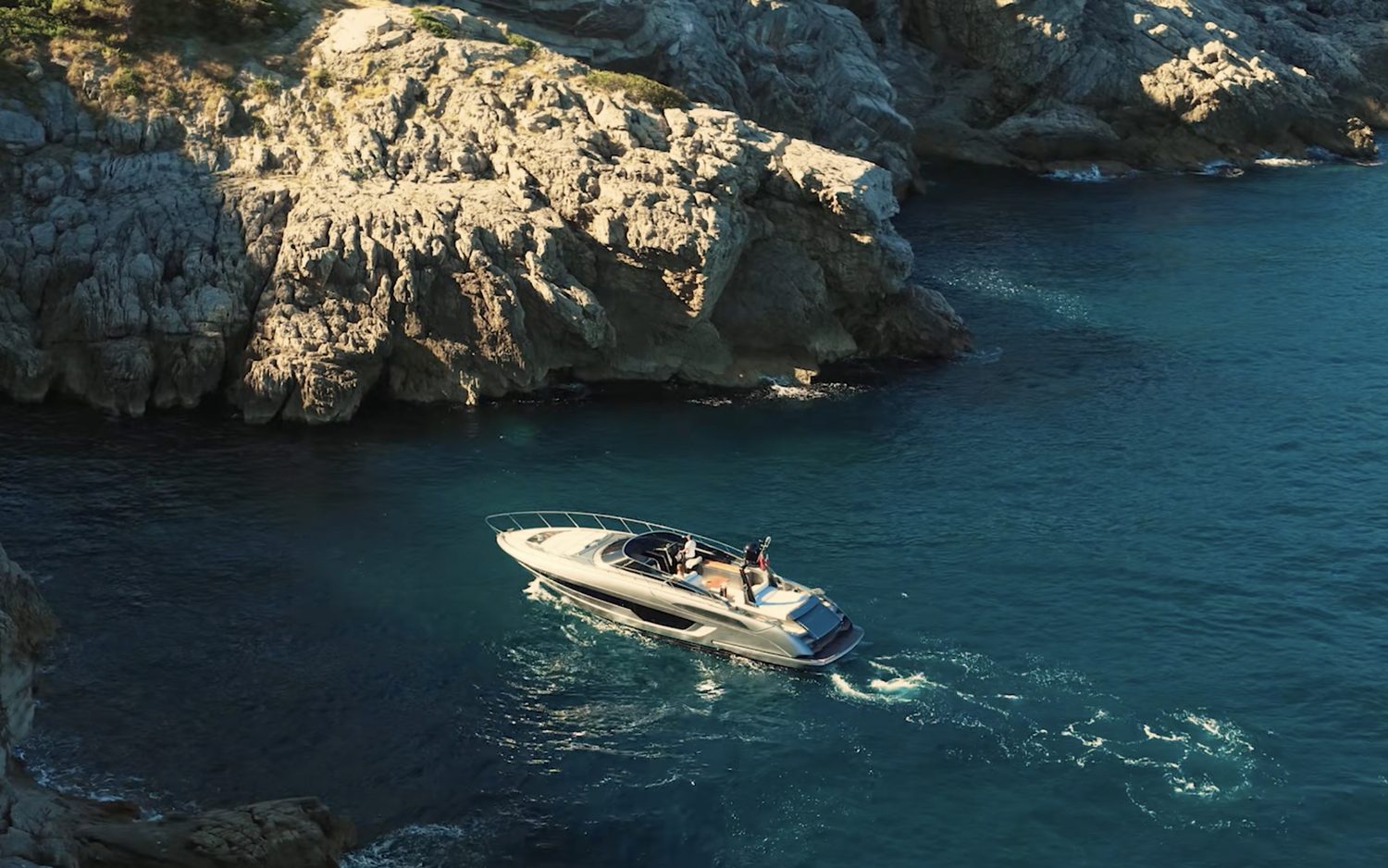
Every pre-opening hotel has the same marketing problem. There is a website to launch, a sales team that needs something to send, social channels that need to start building an audience, and press who want a story. And there is nothing to show except renders, a floor plan and a logo. Renders are useful. They show the architecture. They do not show why anyone would travel there.
A film can, as long as you stop thinking of it as a film about the hotel.
Film the place, not the building
Before guests discover a hotel, they discover a place. Nobody chooses a coastline because of a lobby. They choose the coastline, then the hotel that gives them the best way to live in it. A pre-opening film sells exactly that: the feeling of arrival, before arrival is possible. The property appears only as anticipation, and the destination does all the work.
This is not a compromise. It is often a better film than the one you would make after opening, because it has one idea and no obligation to tour the rooms.
What there is to film
More than you think. Walk the site and the ten kilometres around it with a film in mind and a list writes itself:
- The journey. The boat, the road, the last turn before the view. Arrival is the emotional centre of every hotel film and it exists already.
- Water, light and stone. Blue hour, first light, harsh midday, golden hour, twilight. The same bay is five different films in one day.
- The village. Markets, a bakery, a harbour, church bells. The texture guests will walk into.
- Hands at work. A fisherman, a lemon grower, a boat being tied up. Craft gives a destination its honesty.
- History. Ruins, old paths, a tower on a headland. Places with a past feel worth the journey.
- Anticipation. An empty terrace, a table set before guests arrive, a view from where the hotel will stand. The one place the hotel is allowed to appear.
What to leave out
The construction site. Scaffolding ages a film in a month and the film has to last a year. Renders cut into live footage; they belong on the website, next to the film, not inside it. “Coming soon” cards. And the drone opener. If the first shot is an aerial of a building that isn’t finished, you have made a property-developer video, not a hotel film.
Give it the shape of a day
With no rooms to tour, the structure has to come from somewhere else, and the easiest, truest structure is a single day, dawn to dark. Five chapters: the coastline waking, the crossing or the drive, a long afternoon in the place, the one climactic view, and evening. Each chapter is a different light. The viewer borrows the day and imagines their own, which is the only thing a hotel film is ever really for. We wrote about why this works in one quiet day.
Sound first, people as witnesses
Two rules make a pre-opening film feel like a place rather than a brochure. Build it sound-first: waves, wind, bells, footsteps on stone before any music enters. And keep people as witnesses, not protagonists. A silhouette against the water, a figure seen from behind, a hand on the surface of the sea. No looking to camera, no posing. The destination is the hero. Human presence just proves it is possible to be there.
Where the film lives
This is the part that justifies the budget, so plan it before the shoot:
- The launch website. As the hero, with the renders below it. The film sets the tone; the renders answer the questions.
- Social. Cut into reels by chapter, released over months, building a following before the booking engine goes live.
- Sales and trade. The thing the sales director sends to tour operators and the thing on the screen at the trade show stand.
- Press. A film gives a travel editor a story. A render gives them a caption.
- The opening. When the hotel opens, this becomes the first chapter and the opening film becomes the second. Because it is about the destination, it does not date when the interiors are finished.
Timing
Twelve to eighteen months before opening is the window. Earlier than that and there is no website or sales effort to carry it. Later and you have lost a season of audience-building. Shoot in the season you will sell: a summer coastline for a summer resort, even if that means filming a full year ahead. Then plan a second, shorter shoot around the soft opening for interiors and service, so the two films share a look and a story.
How to brief it
A pre-opening brief is shorter than a normal one, because there is less to show. Six things:
- The opening date, and when the website and sales push go live.
- The one idea. “Distance as privilege.” “The quiet end of a famous coast.” One line.
- The geography. What makes this spot different from the famous name twenty minutes away.
- Access to the site, so the view from where the hotel will stand can be filmed.
- The season you sell.
- Who the guest is. One kind of guest, not four.
If you want to see what this looks like finished, we recently made a pre-opening destination film for a property on the Sorrento Peninsula, shot while the hotel was still a construction site and built entirely around the coastline, a private cove and the crossing to Capri. The case study walks through the thinking.
If your hotel is opening in the next eighteen months, this is the moment to start. Tell us about the opening, or see how we work across Europe and Southeast Asia.